Many sustainability initiatives succeed or fail based on the quality of information available from suppliers.
Without clear visibility into sourcing, supplier practices, and value chain risks, organizations can struggle to meet compliance requirements, respond to stakeholder scrutiny, and make informed operational decisions.
Osapiens focuses on creating transparency across complex supply chains by combining supply chain transparency, ESG compliance, supplier management, and sustainability reporting into a single system, helping organizations manage regulatory requirements while improving visibility and control across their value chains.
This guide explores how Osapiens is positioned and how alternative platforms like Sweep compare across supply chain transparency, sustainability compliance, and sustainability management.
What is Osapiens and how does it work?
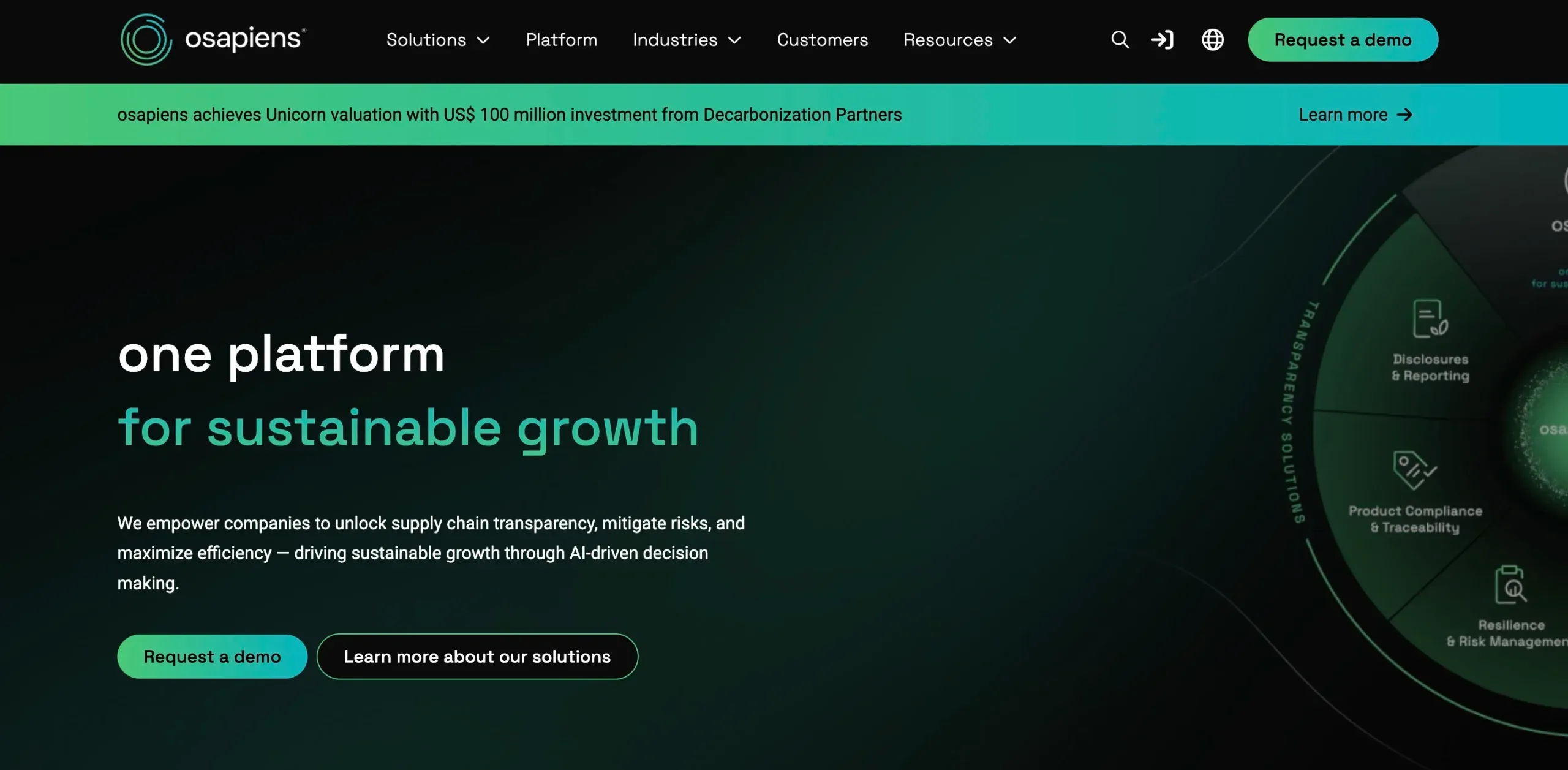
Osapiens is a cloud-based platform designed to help organizations manage supply chain transparency, sustainability compliance, and ESG reporting from a single system. The platform is built around helping companies gain greater visibility across their value chains while reducing the manual effort associated with regulatory compliance and supplier data management.
Its capabilities span sustainability reporting, supplier relationship management, product traceability, due diligence workflows, and operational efficiency initiatives. This allows organizations to manage sustainability requirements alongside broader business processes rather than treating compliance as a standalone activity.
The platform supports teams by:
- Collecting and managing supplier, product, and sustainability data across the value chain
- Supporting compliance with regulations such as CSRD, CSDDD, EUDR, and other due diligence requirements
- Automating ESG reporting workflows, including Scope 1, 2, and 3 emissions reporting
- Improving supplier transparency, risk management, and traceability across complex supply chains
- Using AI-powered workflows to automate data collection, validation, and compliance processes
- Connecting sustainability initiatives with operational efficiency and performance improvements
This approach helps organizations build greater visibility across their supply chains while streamlining sustainability compliance, supplier engagement, and reporting activities within a single platform.
When organizations consider alternative approaches
As supply chain transparency requirements expand, many organizations find themselves managing more than just supplier compliance and due diligence processes. Sustainability data increasingly needs to support reporting, carbon accounting, supplier engagement, risk management, and operational decision-making across the business.
As these requirements grow, some organizations begin evaluating platforms that can support a broader range of sustainability management activities alongside compliance and supply chain transparency.
Sustainability reporting becomes a larger priority
Many organizations initially adopt transparency and compliance tools to address specific regulatory requirements. Over time, broader reporting obligations such as CSRD, ISSB, GRI, and climate disclosures may require more comprehensive sustainability reporting capabilities.
Carbon accounting requires deeper capabilities
While platforms such as Osapiens support emissions reporting, organizations with complex carbon accounting requirements may seek more specialized capabilities for Scope 1, 2, and 3 calculations, financed emissions, and decarbonization planning.
Sustainability data needs to support operational decision-making
Sustainability information is increasingly used beyond compliance activities. Organizations may use sustainability data to identify risks, improve operational performance, prioritize supplier engagement, and support long-term business planning.
Sustainability ownership expands across teams
Compliance and due diligence initiatives frequently involve procurement and legal teams. As sustainability programs mature, finance, operations, supply chain, and executive leadership teams often become more directly involved in sustainability data management and reporting.
Sustainability workflows extend beyond supplier compliance
Organizations may need systems that support ongoing sustainability data collection, reporting, target tracking, and cross-functional collaboration in addition to supplier transparency and regulatory compliance workflows.
5 Alternatives to Osapiens
Sweep
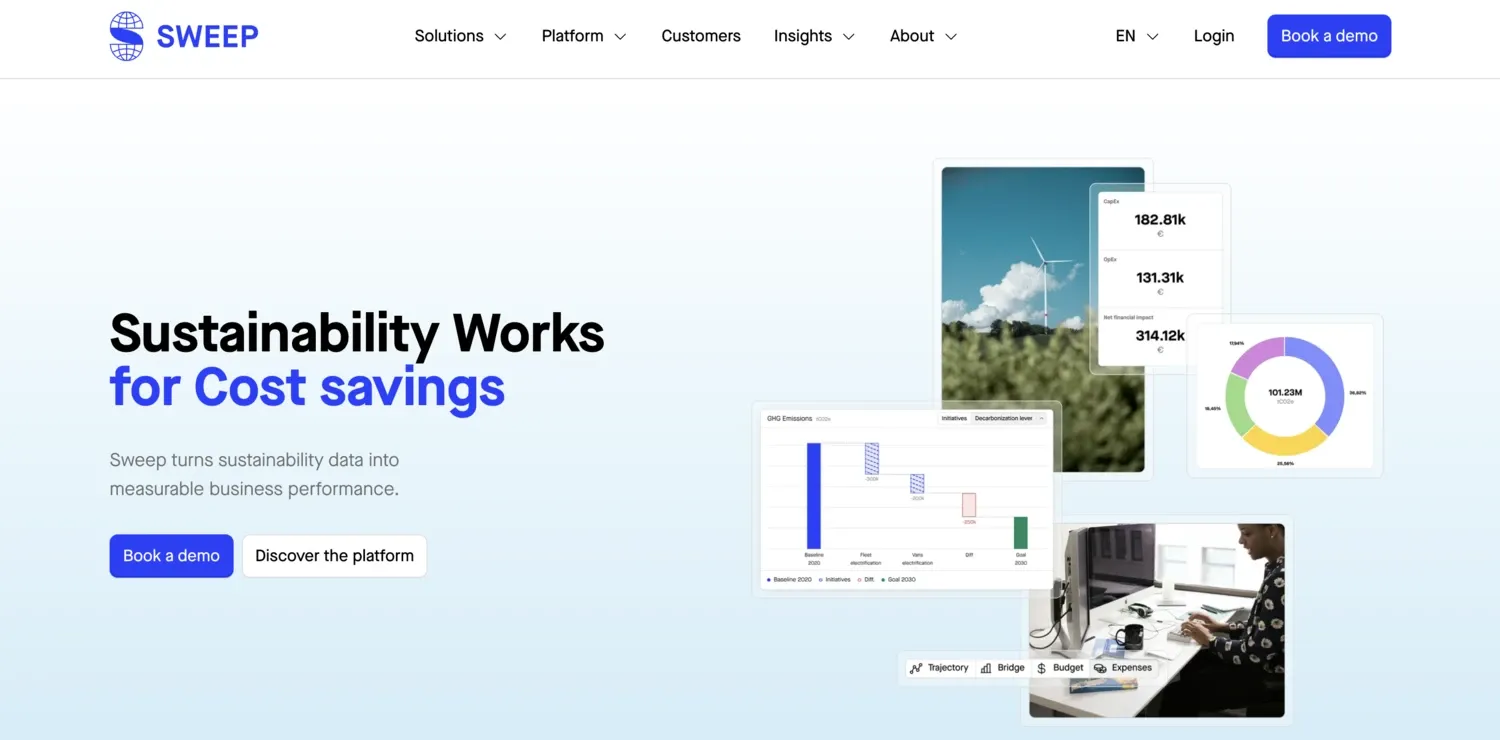
Sweep is a sustainability intelligence platform that helps organizations manage sustainability reporting, carbon accounting, supplier engagement, and operational sustainability workflows within a single system.
While platforms such as Osapiens focus heavily on supply chain transparency and regulatory compliance, Sweep is designed to help organizations measure, manage, and reduce sustainability impacts across their value chains, and to connect that data to reporting, operations, and business decision-making.
The platform includes dedicated capabilities for supply chain emissions management, helping organizations collect supplier data at scale, improve Scope 3 visibility, identify emissions hotspots, and engage suppliers on decarbonization initiatives. This allows sustainability and procurement teams to move beyond reporting and take action across their supply chains.
Best suited for
Organizations looking to connect supplier engagement, Scope 3 management, sustainability reporting, and operational sustainability workflows within a single platform.
Key features
- Scope 3 emissions management and supplier engagement workflows
- Supplier emissions data collection through surveys, portals, procurement integrations, and external data sources
- Supplier scorecards, hotspot analysis, and decarbonization tracking
- Multi-framework reporting across CSRD, ISSB, GRI, TCFD, and other requirements
- Sustainability workflow automation and AI-powered data management
Considerations
- Broader sustainability management focus than compliance-focused supply chain platforms
- Cross-functional workflow capabilities are most valuable when sustainability ownership extends beyond procurement and compliance teams
IntegrityNext
IntegrityNext is a supply chain sustainability and compliance platform designed to help organizations manage supplier risks, meet due diligence requirements, track ESG performance, and ensure regulatory compliance across global supply chains.
Like Osapiens, the platform is heavily focused on supplier transparency and helping organizations navigate evolving regulations across complex value chains.
Best suited for
Organizations prioritizing supplier transparency, ESG risk management, and regulatory compliance across large supplier networks.
Key features
- Supplier sustainability assessments and risk monitoring
- Due diligence workflows supporting regulations such as CSDDD and LkSG
- ESG performance monitoring across supplier networks
- Supplier onboarding, engagement, and data collection
- Risk identification and compliance reporting across global supply chains
Considerations
- Primarily focused on supplier sustainability and compliance management
- Broader sustainability reporting and carbon accounting capabilities may require additional systems
- Operational sustainability workflows outside of supplier management are less central to the platform
EcoVadis
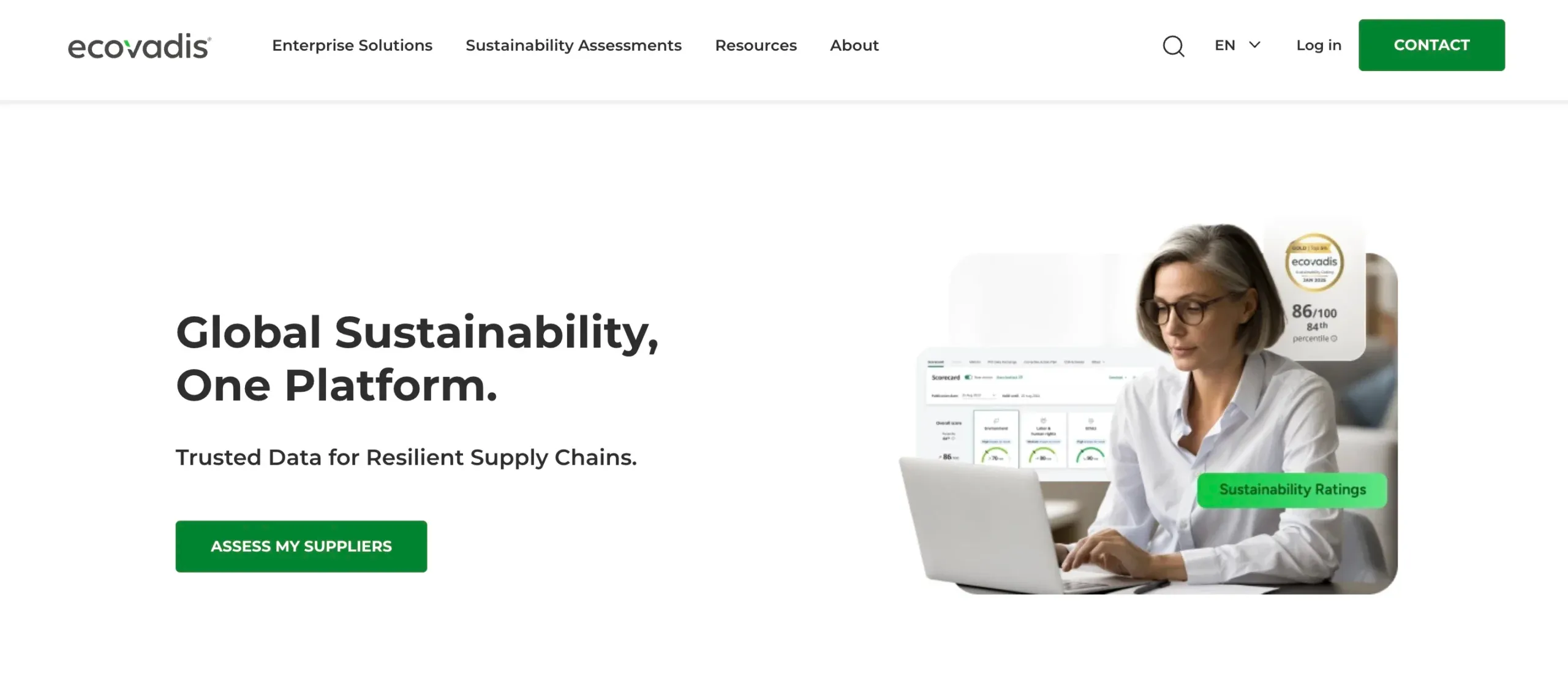
EcoVadis is a sustainability assessment platform that helps organizations evaluate, benchmark, and monitor supplier sustainability performance. Unlike Osapiens, which focuses on transparency, due diligence, and compliance workflows, EcoVadis is centered on supplier sustainability ratings and performance assessments across global supply chains.
Best suited for
Organizations that need a structured approach to assessing, benchmarking, and monitoring supplier sustainability performance at scale.
Key features
- Supplier sustainability ratings and scorecards
- ESG assessments covering environmental, social, and governance criteria
- Benchmarking against industry peers and sustainability standards
- Supplier improvement programs and performance tracking
- Risk monitoring across global supplier networks
Considerations
- Primarily focused on supplier sustainability assessments rather than broader sustainability management
- Carbon accounting and sustainability reporting capabilities are less central than supplier evaluation workflows
- Organizations may require additional systems for ESG reporting, emissions management, and operational sustainability initiatives
Salesforce Net Zero Cloud (Agentforce Net Zero)
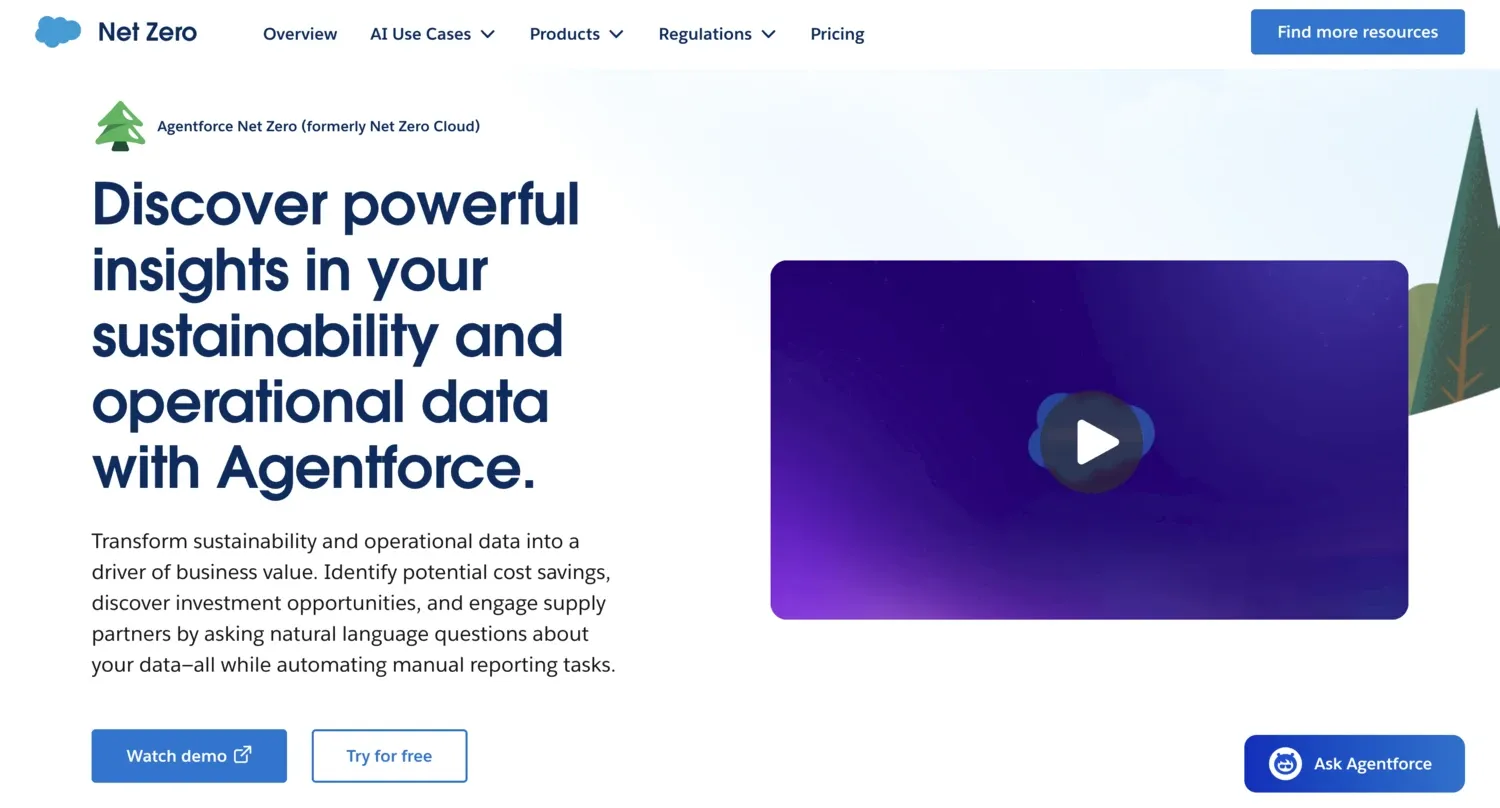
Salesforce Net Zero Cloud is a sustainability management platform built on the Salesforce ecosystem. It combines carbon accounting, ESG reporting, supplier data management, and sustainability analytics into a broader operational platform that connects sustainability initiatives to business processes.
Compared with Osapiens, which is heavily focused on supply chain transparency, due diligence, and regulatory compliance, Salesforce Net Zero Cloud places greater emphasis on centralizing sustainability and operational data so it can be used across reporting, analytics, automation, and business decision-making workflows.
Best suited for
Organizations already using Salesforce that want sustainability, supplier, and operational data integrated into a single business platform.
Key features
- Scope 1, 2, and 3 emissions tracking and carbon accounting
- ESG reporting aligned with frameworks such as CSRD, GRI, SASB, and CDP
- Supplier, subsidiary, and value chain emissions management
- AI-powered reporting and analytics through Agentforce
- Sustainability data integrated with Salesforce workflows, dashboards, and business systems
Considerations
- Strongest for organizations already invested in the Salesforce ecosystem
- Implementation and configuration requirements can vary depending on organizational complexity
- Organizations prioritizing due diligence, product traceability, and supply chain compliance may prefer platforms built specifically around transparency and compliance workflows
Workiva
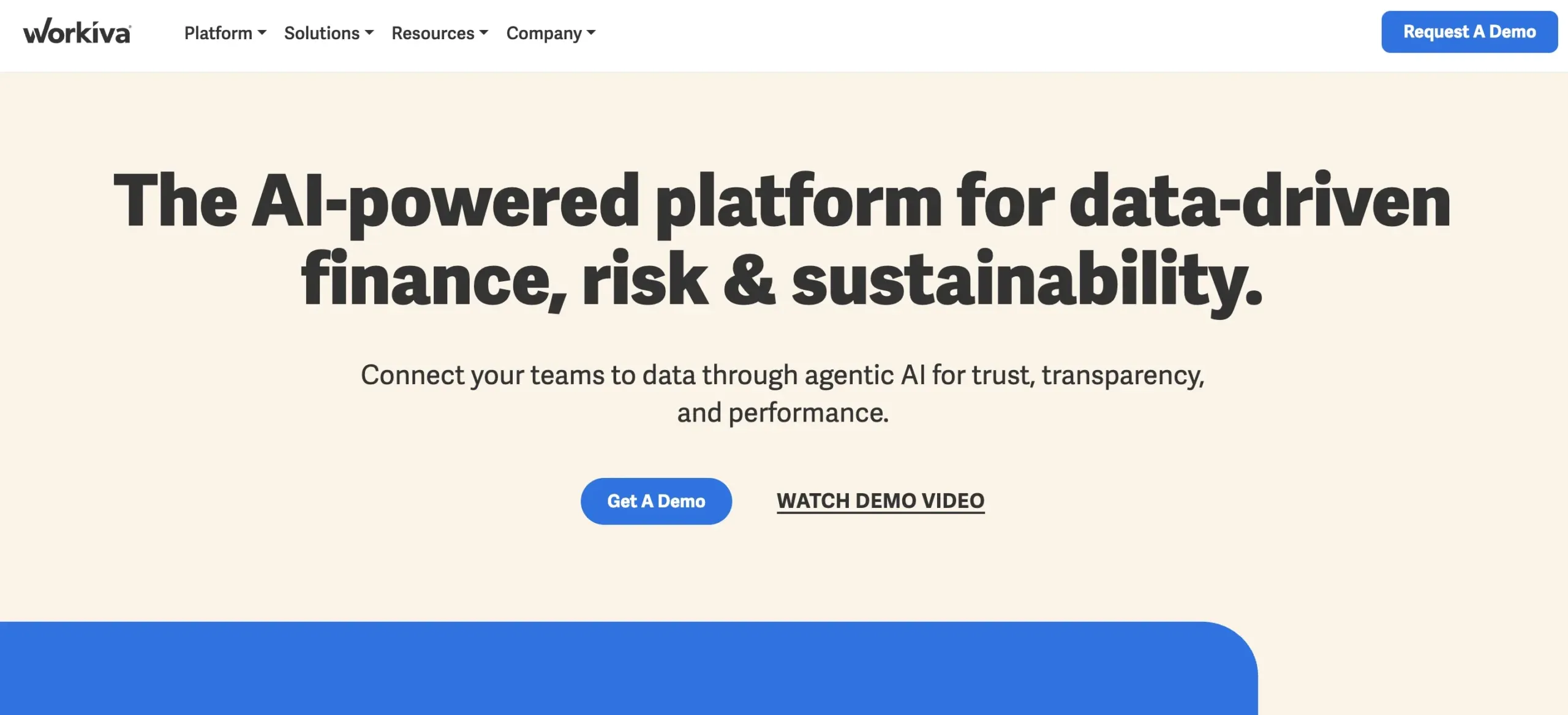
Workiva is an AI-powered platform for finance, risk, and sustainability reporting. While Osapiens focuses on supply chain transparency and compliance management, Workiva is designed to help organizations manage complex reporting processes for sustainability, financial, and regulatory disclosures.
The platform is centered around governance, auditability, and structured reporting workflows, making it particularly relevant for organizations where sustainability reporting is closely linked to finance, compliance, and investor communications.
Best suited for
Organizations prioritizing ESG reporting, governance, and audit-ready disclosure management.
Key features
- Connected ESG and financial reporting workflows
- Reporting aligned with CSRD, ISSB, SEC, and other disclosure requirements
- Governance controls, audit trails, and version management
- Collaboration tools for finance, sustainability, and compliance teams
- AI-assisted reporting and disclosure workflows
Considerations
- Primarily focused on reporting and disclosure management rather than supplier transparency and due diligence
- Carbon accounting capabilities may require integrations or additional tooling
- Operational sustainability and supplier management workflows are less central than reporting processes
Osapiens vs Sweep at a high level
| Area | Sweep | Osapiens |
| Core approach | Sustainability intelligence platform built around workflows and ongoing sustainability management | Supply chain transparency and compliance platform |
| Scope | Carbon, ESG data, reporting, supplier engagement, and sustainability workflows | Supply chain compliance, ESG reporting, traceability, and supplier management |
| Supplier management | Supplier engagement, Scope 3 emissions collection, hotspot analysis, and decarbonization workflows | Supplier transparency, risk management, traceability, and compliance workflows |
| Reporting | Multi-framework sustainability reporting from a unified data model | Compliance-focused reporting supporting regulations such as CSRD, CSDDD, and EUDR |
| AI capabilities | Sustainability workflow automation, validation, and reporting support | Compliance automation, supplier data collection, and workflow efficiency |
| Ownership | Shared across sustainability, procurement, finance, operations, and reporting teams | Typically led by procurement, compliance, sustainability, and supply chain teams |
| Best suited for | Organizations managing sustainability across the business | Organizations prioritizing supply chain transparency and regulatory compliance |
How to choose the right platform
Choosing the right platform depends on whether your primary challenge is supply chain transparency, sustainability compliance, or managing sustainability data across a broader set of business processes.
- If your priority is supplier transparency, due diligence, and compliance with regulations such as CSDDD, EUDR, and similar requirements, platforms such as Osapiens or IntegrityNext may be a strong fit
- If supplier sustainability assessments and benchmarking are central to your program, platforms such as EcoVadis provide dedicated capabilities for evaluating supplier performance at scale
- If sustainability reporting extends beyond compliance into broader ESG and carbon management requirements, integrated sustainability platforms may offer greater flexibility
- If sustainability data needs to support procurement, operations, finance, and sustainability teams, workflow-driven platforms become increasingly valuable
- If organizations are looking to connect supplier data, sustainability reporting, carbon accounting, and operational decision-making, broader sustainability management platforms may provide a more scalable long-term approach
From supply chain transparency to sustainability management
Supply chain transparency has become a critical component of modern sustainability programs. Platforms such as Osapiens help organizations improve supplier visibility, manage compliance obligations, and navigate increasingly complex due diligence requirements across global value chains.
As sustainability programs continue to evolve, many organizations are also looking to connect supplier data with carbon accounting, sustainability reporting, operational workflows, and broader business strategy. This requires systems that support sustainability as an ongoing business process rather than a standalone compliance initiative.
Sweep is designed to support this broader approach through a sustainability intelligence platform that connects sustainability data, reporting, supplier engagement, and operational decision-making within a single system.
Book a demo to see how Sweep helps organizations connect sustainability reporting, supplier engagement, and operational sustainability management across the business.